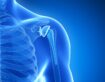


It is the replacement of damaged bone and cartilage in the shoulder joint with artificial parts. Shoulder replacement, is usually applied after advanced arthritis or fractures. Increases mobility. Reduces pain. The prosthesis is made of metal and plastic. It is placed surgically. The healing process is supported by physical therapy. Increases the quality of life. Can provide a permanent solution. Applied by orthopedic surgeons.
In Which Cases Is Shoulder Replacement Performed?
 The shoulder joint can wear out over time. The cartilage surfaces become thin or may disappear completely. In this case, the bones rub against each other, causing pain and limited movement. If physical therapy and medications are insufficient shoulder prosthesis recommended. Pain is reduced and mobility is increased with the prosthesis. Inflammation, pain and deformity develop in the shoulder joint as a result of the immune system attacking the joints. Over time, joint structures deteriorate.
In patients with rheumatoid arthritis, prosthesis is an effective method for controlling pain and preserving function. In some cases, fragmented fractures in the shoulder bone cannot be repaired. Especially in elderly individuals, if the bone quality is low, the possibility of healing of fractures decreases. In such cases, reconstruction of the joint with a prosthesis is preferred. The shoulder joint becomes unstable as a result of the rupture of the muscles and tendons around the shoulder.
Tears that are not treated for a long time cause the cartilage structure to deteriorate. In this case, the pain is severe and it becomes difficult to lift the arm. Prosthetic surgery is recommended in advanced cases. Joint disorders that occur after traumas in the shoulder area cause permanent pain and loss of movement. A prosthesis may be required, especially in cases where old fractures heal incorrectly or shoulder dislocations recur. In the treatment of bone tumors in the shoulder area, the diseased tissue may need to be removed. The gap that forms after this removal procedure is filled with a prosthesis, allowing the patient to use their arm. If previous shoulder surgeries do not produce the desired results or if complications develop, a new surgical intervention may be required. In this case, shoulder prosthesis is considered a second chance.
How is Shoulder Replacement Performed?
Before the surgery, the patient's complaints are listened to in detail. Pain in the shoulder, movement restriction and how much it affects daily life are evaluated. The joint structure is examined with imaging methods such as X-ray, MRI and tomography. This evaluation process is very important for making the right prosthesis decision. The patient's age, bone structure, level of deterioration in the joint and general health status are taken into consideration and the type of prosthesis to be used is determined. Total prosthesis or reverse shoulder prosthesis It is planned which of the following options is appropriate. On the day of the surgery, the patient is given general anesthesia (by putting them to sleep) or regional anesthesia (by numbing only the arm and shoulder).
The method of anesthesia is determined by the anesthesiologist according to the patient's health condition. The joint is reached through an incision made from the front or side of the shoulder area. The muscles and soft tissues are carefully opened and the joint is exposed. The damaged bone surfaces and cartilage tissues that make up the shoulder joint are cleaned with special surgical instruments. If necessary, repairs can be made to the muscles or tendons. Artificial prosthetic parts in the form of a shoulder head and socket are placed appropriately in the patient's bone. These parts are made of titanium or special durable alloys. Most of the time, these parts are fixed to the bone with screws or are specially designed to fuse with the bone.
After the prosthesis is placed, shoulder movements are checked. It is tested whether the prosthesis works in a balanced and comfortable way within the joint. If everything is appropriate, the incision area is closed. The muscles and skin layers are carefully sutured. Bleeding is controlled and a small tube, usually called a drain, is placed in the area. This drain allows the fluid formed after the surgery to be removed. The hospital stay is usually a few days. Post-operative physiotherapy is very important. Range of motion exercises are started from the first days. Over time, the arm's range of motion increases. The full recovery process varies from person to person, but can usually take a few months. Shoulder replacement When surgery is performed correctly, it contributes greatly to patients getting rid of their pain and continuing their daily activities more comfortably.
Things to Consider After Shoulder Replacement
 The shoulder should be rested as much as possible for the first few days after surgery. It is recommended to immobilize the shoulder using an arm sling. Sudden and wide movements should be avoided as this can cause the prosthesis to move or damage the stitches. The arm sling should be worn for the period recommended by the doctor. This period usually varies between 3-6 weeks. The use of a sling keeps the shoulder stable and helps the tissues heal more quickly. At night, the sling can be removed and the position of the arm can be maintained with pillow support.
Shoulder replacement After, the physical therapy program is one of the important factors in the success of the prosthesis. Exercises should be done as and for the duration recommended by the doctor and physiotherapist. Passive exercises are started in the early period and active exercises are progressed over time. Neglecting the treatment may cause limited mobility. There may be pain in the first days after the surgery. The painkillers recommended by the doctor should be used regularly. The medications contribute to both reducing the pain and making daily movements more comfortable. If the pain gradually decreases, it means that the recovery is normal. It is very important for the surgical area to be clean and dry. Dressings should be done regularly and the wound should be checked. If there are signs of infection such as redness, excessive swelling, discharge or fever, a doctor should be consulted without delay. It is beneficial to lie on your back and put a pillow under your shoulder in the first weeks.
Lying on the shoulder can strain the prosthesis and cause pain. If it is necessary to lie on the side, care should be taken to keep the operated arm on top. In the first months after surgery, overhead movements, lifting heavy loads and sudden strains should be avoided. The doctor's approval should be obtained for activities such as housework, driving or sports. Returning to daily tasks should be slow and controlled. Doctor check-ups are very important to evaluate the healing process. Whether the prosthesis is in place, the condition of the shoulder and the range of motion are monitored during these check-ups. It should not be neglected to go for check-ups on the specified dates. Smoking delays healing and increases the risk of infection. Alcohol can interact with some medications. Therefore, it is beneficial to stay away from smoking and alcohol during the post-operative period. The healing process can take time. It is important to keep morale high and be patient during this process. Over time, mobility will increase and return to daily life will be easier.