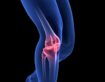


It is the damage to the cartilage tissue covering the joint surface. Cartilage injury It usually occurs in the knee, hip or elbow joints. It can occur with a fall, sprain or sudden movement. Cartilage cannot regenerate itself. Therefore, the healing process is slow. It causes limited movement, pain and swelling. Early diagnosis is important. Physical therapy or surgery may be required.
What are the symptoms of cartilage injury?
 Joint pain is the most common symptom of cartilage damage. Pain may begin during movement or after prolonged inactivity. Pain is usually specific to the damaged joint and may increase over time. Cartilage injury People with osteoarthritis may experience limited movement in the joint and a feeling of stiffness in the morning or after sitting for a long time. This is due to the joint surfaces not being able to move properly.
After an injury, the body may collect fluid in this area as a reaction. This causes swelling, fullness and tension in the joint. This is especially noticeable in weight-bearing joints such as the knee. If a piece of cartilage breaks off and falls into the joint, symptoms such as catching or sudden locking in the joint may occur. This is especially noticeable during movement as a feeling that something is stuck. A clicking or crackling sound, like a friction sound, may be heard in the joint. These sounds occur because the damaged cartilage cannot slide smoothly on the joint surface.
If there is cartilage damage, especially in joints such as the knee or ankle, a person may feel insecure and unstable while walking or climbing stairs. Balance loss may occur because the joint cannot support it sufficiently. Over time cartilage injury, can restrict the normal range of motion of the joint. The person may not be able to bend the knee fully or extend the arm fully. This can affect both daily activities and sports performance.
What Causes Cartilage Injury?
The most common cause is trauma caused by direct blows or falls. Cartilage tissue can be damaged during falls, impacts or accidents on the knee. It is especially common in athletes. Constantly repetitive movements or low-level but constant pressures cause the cartilage tissue to wear out over time. Especially in professional athletes, movements such as long-term squatting, running or jumping cause this type of damage. Putting more than normal load on the joints damages the structure of the cartilage.
Excessive weight, incorrect exercise techniques or sudden load increases put too much pressure on the cartilage, causing tearing or cracking. As we age, the cartilage tissue loses water and elasticity. This causes the tissue to become more fragile. This age-related wear and tear paves the way for injury over time and increases the risk of joint calcification (osteoarthritis). Some people have congenital joint structure disorders. These conditions cause irregularities on the cartilage surface and increase the risk of injury over time.
Conditions such as meniscus tears, ligament injuries or low joint fluid can directly affect the cartilage. When these structures do not function properly, the joint becomes unstable and can damage the cartilage. Rheumatoid arthritis or other inflammatory rheumatic diseases cause serious damage to the cartilage structure when the immune system attacks the cartilage tissue. Cartilage tissue does not contain blood vessels and is nourished by the joint fluid. Inadequacy of this fluid or lack of movement causes the cartilage to weaken.
What are the Treatment Methods for Cartilage Injury?
 The first step to reducing pain and inflammation caused by cartilage damage is usually drug therapy. Non-steroidal anti-inflammatory drugs (NSAIDs) relieve pain and improve the patient's daily quality of life. However, these drugs do not repair the cartilage, they only manage the symptoms. Physical therapy strengthens the muscles around the joint and maintains joint mobility. Special exercises performed under the supervision of a specialist increase the weight-bearing capacity of the joint, which reduces the pressure on the cartilage. Regular physical therapy can increase the chance of recovery without surgery. Platelet-rich plasma obtained from the patient's own blood is injected into the damaged cartilage area.
PRP supports cell renewal and can accelerate cartilage healing because it contains growth factors. It is generally suitable for mild to moderate damage. Hyaluronic acid injection is applied to increase the lubrication of cartilage tissue and facilitate joint movements. These injections help relieve pain by reducing friction within the joint. It is especially commonly used in the knee joint. The microfracture method is a method applied with arthroscopic (closed) surgery. Small holes are opened in the bone under the cartilage to release stem cells from the bone marrow. These cells take action to repair the damaged cartilage area.
It can be especially effective in young patients. Bone and cartilage pieces taken from another healthy part of the body are placed in the damaged cartilage area. It is called by this name because it creates an appearance similar to mosaic stones. It is usually used in small but deep cartilage damages. Stem cells, which are multiplied in a laboratory environment, are injected into the damaged area to allow the cartilage tissue to renew itself. In addition to experimental studies, it is also used in some clinical applications.
Correct patient selection is very important to obtain effective results. Cartilage injury If there is a load imbalance caused by cases, an osteotomy can be performed to change the angle of the bone structure. In this way, the load on the damaged area is reduced and the pain is relieved. It is generally preferred in young and active patients. In patients with advanced cartilage loss and who do not benefit from other methods, a prosthesis may be placed in joints such as the knee and hip. It is especially applied to elderly patients and patients with severely reduced mobility.