


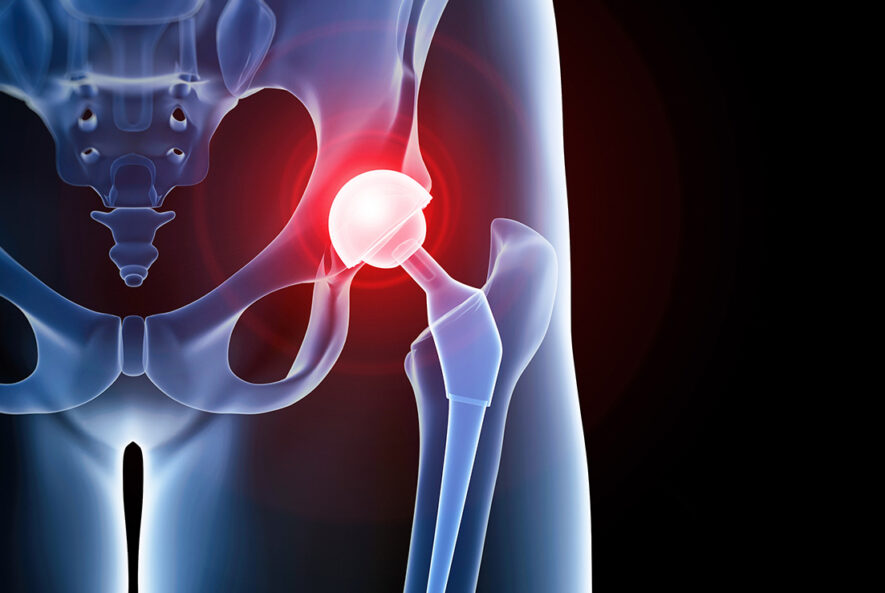
The hip joint is one of the most important weight-bearing joints in the body. The joint wears out due to trauma, arthritis, rheumatoid arthritis or congenital disorders. It can make daily movements difficult. Hip replacement, is a surgical treatment method that offers a permanent solution for patients experiencing such problems. In this article, we will provide information about the surgery and discuss how the process progresses, its advantages and the recovery process.
What is Hip Replacement?
 It is the process of replacing the damaged hip joint with an artificial prosthesis. Prostheses made of biocompatible materials such as titanium and ceramics relieve joint movements. It allows the patient to walk without pain. The main purpose of the surgery is to increase the patient's quality of life by eliminating movement restrictions.
Who Can Get Hip Replacement?
Severe pain and limited movement occur as a result of the complete wear of the cartilage tissue. The hip joint can be destroyed due to the immune system attacking the joints. Especially in older individuals, hip fractures can cause serious movement problems and a permanent solution can be provided with a prosthesis.
Due to abnormal development of the hip, joint wear and pain may occur over time. As a result of decreased blood flow, the hip bone may collapse and prosthesis surgery may become inevitable.
Hip Replacement Surgery Process
Before the surgery, the patient's general health status is evaluated and necessary tests are performed. Blood tests, X-rays, MRI and ECG tests are used to determine whether the patient is suitable for surgery. Hip replacement The surgery is usually performed under general or spinal anesthesia. The surgeon removes the damaged hip joint and replaces it with a prosthesis of appropriate size. This procedure takes approximately 1-2 hours. The prosthesis can be fixed to the bone with or without cement. Patients usually stay in the hospital for 2-5 days after the surgery. Rehabilitation begins with light movements in the first few days. The patient is encouraged to walk with the help of physical therapists.
Advantages of Hip Replacement Surgery
Hip replacement The biggest advantage of the surgery is that it completely eliminates pain and restores mobility. Daily activities are easier to move. Living a pain-free life increases social and physical activities. The patient can walk properly and in balance. A quality prosthesis can be used for 15-20 years without any problems.
The Recovery Process After Hip Replacement
 The recovery process varies depending on the patient's age, general health status and the success of the surgery. Patients usually start walking within 24 hours after surgery. During the first 6 weeks, care should be taken when climbing stairs or sitting down and standing up. Physical therapy exercises should be done regularly. Between 3-6 months, the patient can start walking at a low pace. They can perform daily activities more comfortably. Muscles should be strengthened with exercises recommended by the doctor. After 1 year, patients can return to their normal lives and start light sports. Overly strenuous movements should be avoided to prevent prosthesis wear.
What Should Hip Replacement Patients Pay Attention to?
Hip replacement There are some important points that patients with cervical disc disease should pay attention to. Sudden turning and twisting movements may cause the prosthesis to come out of place. Avoid slippery surfaces and use support when necessary. Go to the doctor regularly to monitor the wear of the prosthesis. Excessive weight may shorten the life of the prosthesis. Placing a pillow between the knees while lying on the side provides a comfortable sleep.
Conclusion
Hip replacement, eliminates damage and pain in the hip joint. It is a successful surgical method that offers patients a comfortable life. Proper preparation before surgery and attention to the post-operative care process will ensure trouble-free use for many years.