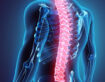


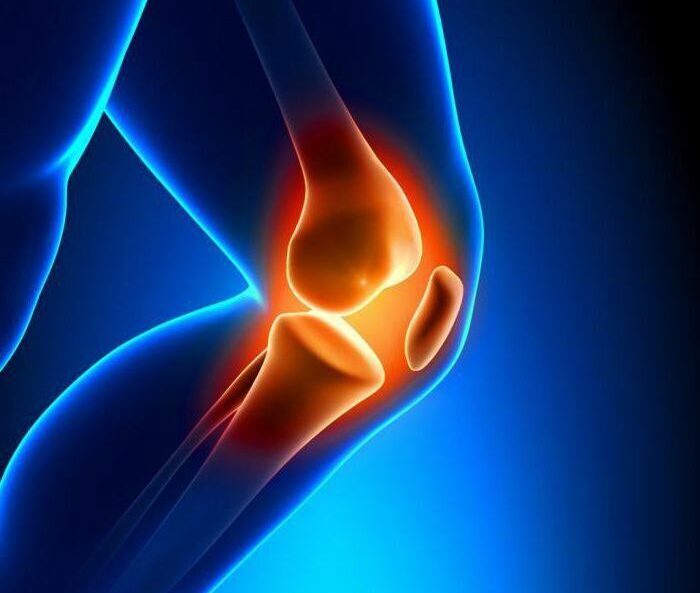
It is a disease characterized by decreased bone density and weakening of bones. Osteoporosis, causes bones to become brittle and increases the risk of fractures in areas such as the hip and wrist. It usually occurs in older ages. However, unhealthy diet, sedentary lifestyle and genetic factors can also contribute to the development of the disease.
Causes of Osteoporosis
 Osteoporosis Many factors can be effective in its formation. Bone density naturally decreases with age. Especially in postmenopausal women, decreasing estrogen levels accelerate bone loss. Calcium and vitamin D deficiency negatively affects bone health.
Not exercising regularly can cause bones to become weaker. Individuals with a family history of osteoporosis are at higher risk of developing the disease. Smoking and excessive alcohol consumption can reduce bone density. Corticosteroid use and some chronic diseases can lead to osteoporosis.
Symptoms of Osteoporosis
Osteoporosis It usually progresses insidiously. Therefore, it may not show any obvious symptoms in the early stages. However, as the disease progresses, the following symptoms may occur:
-
Back and waist pain
-
Short stature and hunchback
-
Bone fractures from minor impacts or falls
-
Deformities in the spine
-
Bone tenderness
Ways to Prevent Osteoporosis
Consuming foods rich in calcium and vitamin D supports bone health. Milk, yogurt, cheese, green leafy vegetables, fish and nuts should be included in the diet. Weight lifting, walking, running and resistance exercises can help increase bone density. Adequate sunlight exposure is necessary to synthesize vitamin D.
It is important to avoid smoking and alcohol. This can accelerate bone loss. It is recommended that hormone levels are checked regularly, especially during menopause. Precautions should be taken at home and outside, such as avoiding slippery floors and wearing appropriate shoes.
Diagnosis of Osteoporosis
To diagnose osteoporosis, doctors usually measure your bone density. This measurement is DEXA (Dual-Energy X-ray Absorptiometry) scan It is performed with. It determines how healthy the bone mineral density is. Blood tests and X-ray imaging methods can also support the diagnosis.
Osteoporosis Treatment Methods
 Although there is no definitive cure for osteoporosis, there are various methods used to slow the progression of the disease and support bone health. Bisphosphonates are the most common group of drugs that slow bone loss. Estrogen supplements may be recommended for postmenopausal women.
Some biological drugs can be used to strengthen bone structure. Supplements containing calcium and vitamin D support bone health. Fall risks can be reduced with exercise programs that strengthen muscles and bones. Bone loss can be slowed down with healthy nutrition and regular exercise.
Conclusion
Osteoporosis, It is a disease that can cause serious health problems, especially in older individuals. However, the risk of developing osteoporosis is reduced with measures such as healthy eating, exercise, and avoiding smoking and alcohol. Bone health can be protected and quality of life can be increased with early diagnosis and appropriate treatment methods. Therefore, it is of great importance for individuals, especially those in the risk group, to undergo regular medical check-ups.