

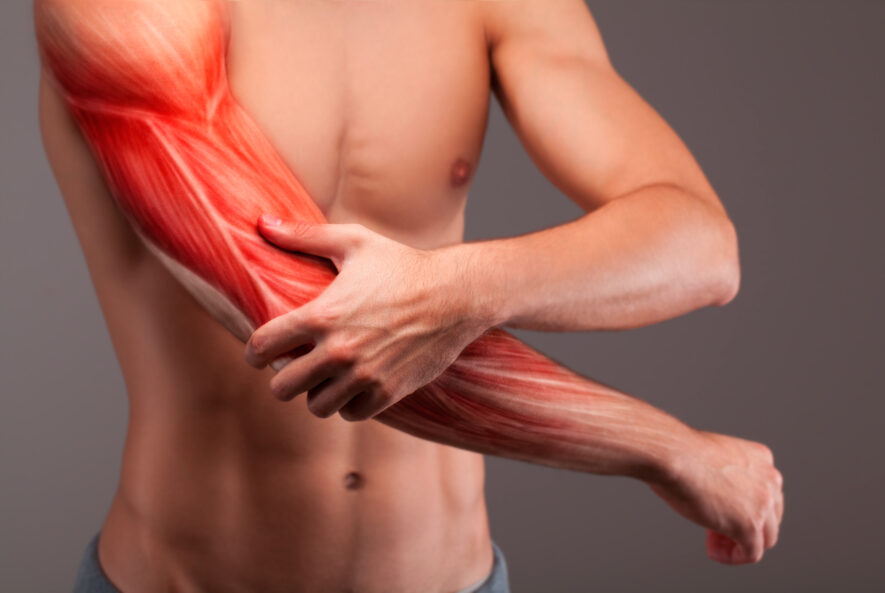
It is the damage to muscle fibers due to strain or sudden movement. Muscle tear It usually occurs during sports. It has mild, moderate and severe degrees. Pain, swelling and bruising may occur. Movement is restricted. Rest and ice treatment are important. In severe cases, physiotherapy may be required. Early intervention accelerates recovery. Movements performed without warming up the muscle increase the risk.
What are the Symptoms of a Muscle Tear?
 It usually causes sudden and severe pain. The pain is focused on the area where the tear is and may increase with movement. Swelling may occur around the torn muscle. In addition, bruising may occur due to bleeding. The muscle becomes difficult to use and some movements may be painful. If the tear is larger, even moving the muscle may become difficult. The muscle is unable to perform its normal function.
This may present as a feeling of weakness when moving. Muscle tear As a result, involuntary contractions or cramp-like conditions may occur in the muscles. The area where the tear is located may show increased warmth and swelling. If in doubt, it is important to consult a professional health care provider and receive appropriate treatment.
What Causes Muscle Tears?
Muscles can become fatigued with repeated high-intensity activities. This can lead to tears in muscle fibers. If you do not warm up enough before exercise, your muscles become less flexible and the risk of tearing increases with sudden movements. Performing movements in an incorrect position or technique while doing sports can cause excessive strain on your muscles. Muscles need adequate rest to recover from overload.
Insufficient rest time can cause muscles to become weak and tear more easily. When there is an imbalance between muscles, the weaker muscle can tear more easily. In particular, an imbalance between strong and weak muscles increases the risk of muscle injuries. As we age, muscles become less elastic, which muscle tear may increase the risk.
What are the Treatment Methods for Muscle Tear?
 The most important step for muscle recovery is rest. In order not to strain the muscle, movement should be avoided and heavy activities should be avoided during the recovery period. In the first 48 hours, it is recommended to apply ice to the muscle area to reduce swelling and pain. Ice reduces swelling and pain by constricting blood vessels. Wrapping an elastic bandage around the injured area can help prevent swelling and bruising. However, avoid wrapping it too tightly. Keeping the injured area above the level of the heart can help reduce swelling.
Painkillers or anti-inflammatory medications are used to relieve pain and reduce inflammation. Physical therapy may be applied during the muscle's healing process. A specialist physiotherapist will recommend exercises that will speed up the healing process. It will help the muscle become stronger again. After the muscle has healed, hot applications may be applied to increase blood flow and relax the muscle. Muscle tear If it is very large or does not respond to treatment, surgery may be required. Surgery is performed to repair the muscle. In advanced cases, support bandages or a corset may be recommended during the healing process. The treatment process may vary from person to person. Therefore, it is important to follow the doctor's recommendations and choose the right treatment method.