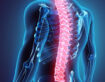


It is a sudden and involuntary contraction of the muscles. Muscle spasm, It is usually painful. The muscle may remain contracted even at rest. Fatigue, dehydration or magnesium deficiency are among the causes. It usually occurs in the legs. It can be triggered by sudden movements. It can be short-lived. Sometimes it can last longer than a few minutes. Stretching and massage can be soothing.
What are the symptoms of muscle spasms?
 It usually manifests itself with a sharp pain that comes on suddenly. This pain can last for a few seconds or for minutes. The pain can increase when the person moves the area in spasm. The spasmed muscle feels harder and tighter than normal. When touched, it is noticeable that the muscle is noticeably tight and does not relax. This indicates that the muscle is contracting involuntarily and has difficulty relaxing.
A person experiencing spasm cannot move the contracted area easily. Pain is felt as they move in areas of spasm such as arms, legs, neck or back. The person is forced to limit their natural movements. Some muscle spasm cases can manifest not only with erection, but also with twitching.
The muscle seems to be beating on its own, this is especially common at night while sleeping. Even when the spasm ends, fatigue, weakness or pain in the muscle area may continue for a while. This is due to the muscle working more than normal and occurs as the muscle tries to recover. In some cases, the spasm can be so strong that the shape of the muscle changes visibly. A point in the muscle may appear swollen or twisted. This usually indicates a serious muscle contraction. There may be a temperature increase or a slight burning sensation in the area of spasm. This is muscle spasm It may be caused by small muscle tears or fluid changes between tissues.
What Causes Muscle Spasms?
When the body does not receive enough fluid, muscles can spasm more easily. Dehydration can prevent muscles from contracting normally. Especially in hot weather, excessive sweating and dehydration can cause muscle spasms to occur more frequently. An imbalance of electrolytes such as sodium, potassium, calcium and magnesium in the body can cause muscles to not work properly. A lack of electrolytes can cause muscles to contract more than necessary, causing spasms. Heavy exercise or prolonged physical activity can cause muscles to fatigue. Muscles can spasm more easily when they are tired. In addition, exercises that do not warm up and cool down properly muscle spasm visible.
Sudden stretching of the muscle or injuries to the muscle tissue as a result of trauma are one of the main causes of spasm. For example, muscles may be strained and spasm may occur as a result of sudden movements or falling. Wrong sitting or posture habits may cause the muscles to remain in one position for a long time. This causes the muscles to become tense and spasm. Working on the computer for a long time in particular can cause spasm in the neck and back muscles. Not warming up or stretching enough before exercise causes the muscles to stretch and spasm more easily. Muscles are under more stress when they are cold or tense, and the risk of spasm increases. Nerve compression or problems in the spine may trigger it. In particular, conditions such as herniated discs and cervical disc herniations can cause the nerves to be under pressure and cause spasms as a result.
Deficiencies in some vitamins and minerals that are essential for muscle health can also cause spasms. For example, vitamin D deficiency can negatively affect muscle function. Vitamin B12 and folic acid deficiencies can also cause spasms. Mental stress can cause muscle tension in the body. When people are stressed, they often feel tension in their shoulder, back and neck muscles. Long-term stress and anxiety can cause this condition to occur more frequently. Some medications, muscle spasm can cause muscle cramps. Diuretics, cholesterol medications, some antihypertensive medications, and antipsychotic medications are among the medications that can cause muscle cramps. Although usually temporary, prolonged spasms and recurring muscle pain can be a sign of serious health problems. If they persist, it is recommended to see a doctor.
What are the Treatment Methods for Muscle Spasm?
 It is important to rest the affected muscle. The muscle should not be strained further. Rest helps the muscle to relax and recover. However, it is also important not to remain inactive for long periods of time, as the muscles can lose strength after a while. Muscle spasm When it starts, applying a cold compress to the area can reduce swelling and inflammation by constricting blood vessels. You can use an ice pack or cold towels. Applying heat can help relax the muscles. A hot water bottle or a hot shower can help relax the muscle.
Gentle massage applied against spasm can help relax the muscle. Gentle pressure applied to the muscle increases blood circulation and allows the muscle to relax. However, the intensity of the massage should be adjusted according to the degree of spasm. Slowly stretching the muscle increases the flexibility of the muscle and prevents the muscle from contracting again. However, stretching exercises should not be done when the spasm first begins and should be done carefully afterwards. Painkillers can be used for the pain caused by this condition. Medications such as ibuprofen, aspirin or acetaminophen help relieve the pain caused by spasms.
In addition, muscle relaxants may be prescribed by your doctor. Physical therapists can offer special exercises and treatment techniques to prevent spasms. These techniques include electrotherapy, hot and cold treatments, and special massage techniques. Relaxation and stress reduction are helpful for relaxing muscles. Meditation, deep breathing exercises, and techniques such as yoga can help reduce stress. Muscle spasm treatment, is usually successful with a combination of the above methods. However, if it becomes persistent or is a symptom of another health problem, it is important to consult a doctor.