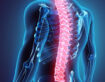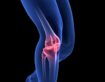


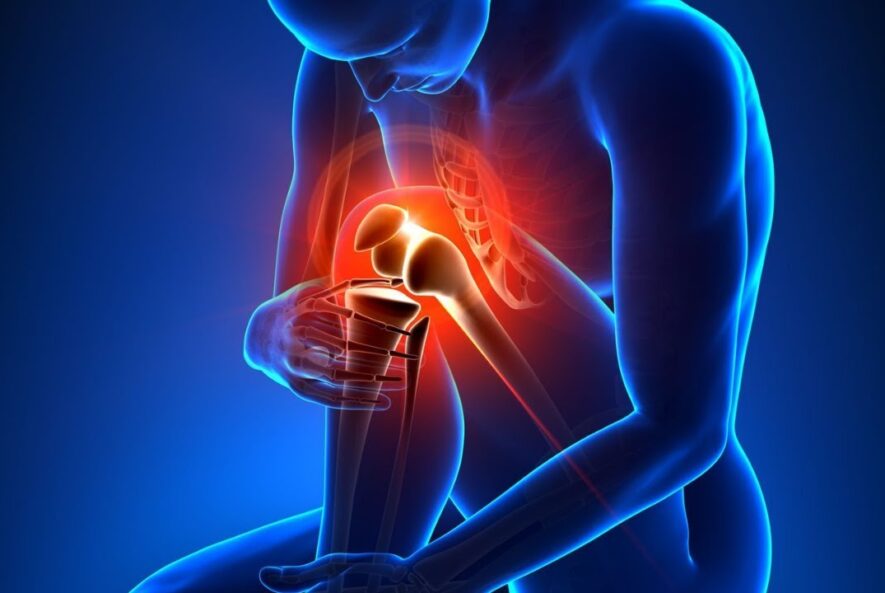
It is a degenerative disease that occurs when the cartilage in the joints deteriorates and thins over time. The wear and tear of the cartilage causes the bones to rub against each other, causing pain and limited movement. Joint calcification It is most commonly seen in the knee, hip, hands and spine joints.
Causes of Joint Calcification
 It can develop due to many factors. Joint cartilage wears out over time and the body's repair capacity decreases. The risk is higher in people with a family history of osteoarthritis. Obesity causes excessive load on the joints and accelerates the wear of the cartilage.
Previous joint injuries or fractures, joint arthritis triggers its development. Professions and sports that require constant movements cause joint wear. Weakness of supporting muscles increases the load on the joints, accelerating wear.
Symptoms of Joint Calcification
Pain is felt in the joints during or after movement. Stiffness occurs in the joint, especially in the morning and after a long period of inactivity. There is a decrease in joint movement. Swelling may occur in the joint due to inflammation. Tenderness is felt when pressure is applied to the joint. A crackling or friction sensation may occur in the joint during movement.
How is Arthritis Diagnosed?
Joint calcification To make a diagnosis, a doctor will listen to the patient's medical history and perform a physical exam. X-rays look for changes in the joint, such as narrowing, bone spurs, or cartilage loss. Magnetic resonance imaging provides a detailed assessment of cartilage damage. Blood tests may be done to distinguish osteoarthritis from other diseases. Joint fluid may be examined to determine if there is an infection or other joint disease.
Joint Calcification Treatment Methods
 Painkillers and anti-inflammatory drugs are used to relieve pain. Hyaluronic acid injections can be applied to support joint fluid. In advanced cases, corticosteroid injections can reduce inflammation and pain. Exercises that strengthen the muscles support the joint and reduce pain. Flexibility exercises increase mobility. Water therapy reduces the load on the joints, making movement easier.
Losing excess weight slows down the progression of the disease by reducing joint load. Foods containing omega-3 fatty acids, antioxidants and vitamin D support cartilage health. Supportive equipment such as knee pads, insoles and walking sticks can reduce the load on the joints. When the disease reaches an advanced stage, surgical methods can be considered. The joint can be cleaned with minor surgical interventions. The pressure on the joint can be reduced by correcting the bone alignment. If joint wear is advanced, an artificial joint prosthesis can be installed.
Conclusion
It can occur with the aging process. However, it is a disease that can be managed with lifestyle changes, exercise and appropriate treatments. Pain can be reduced with early diagnosis and correct treatment methods. Joint mobility can be preserved and quality of life can be increased. If you are experiencing symptoms such as joint pain or stiffness, it is important to take early precautions by consulting a specialist.