

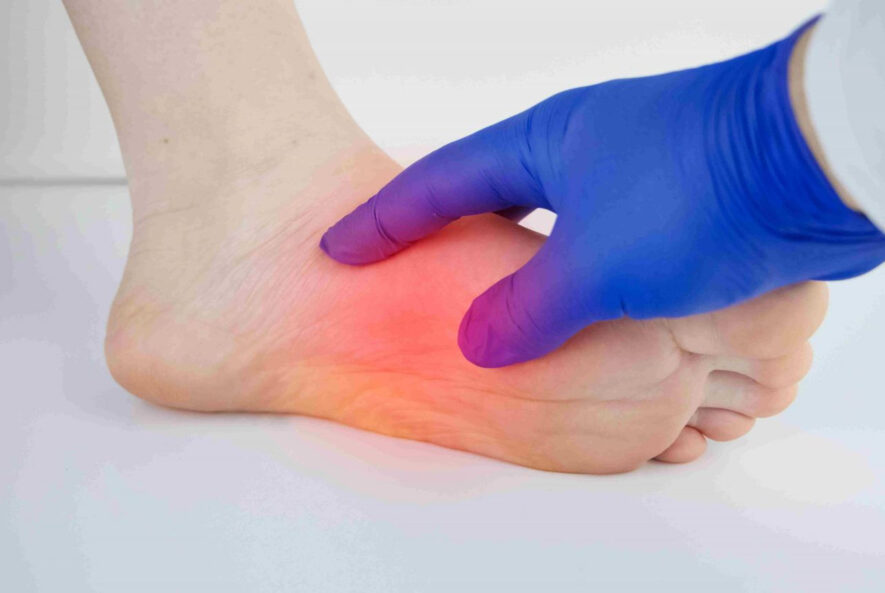
It is a bony protrusion that occurs on the heel bone. It usually causes pain under the heel. Heel spur, increases with standing for a long time. It develops with the strain of the connective tissue under the foot. It is most often felt with the first steps in the morning. It is diagnosed with an X-ray. It is treated with rest and orthopedic insoles. Physical therapy may be required in advanced cases. Surgery is rarely performed.
What are the symptoms of heel spurs?
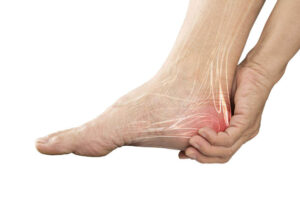 The most obvious symptom is sudden, sharp pain in the heel after getting out of bed in the morning. This pain may subside after standing for a while, but may increase again when standing for a long time. There may be significant swelling in the heel area, especially when the pain is intense. Walking and standing for long periods of time may become difficult due to the pain felt in the heel.
Movements that put pressure on the heel in particular can trigger pain. Activities such as running or fast walking heel spur can increase pain. A stiffening of the ligament on the sole of the foot (plantar fascia) can lead to a heel spur. This stiffening can cause pain over time. If left untreated, it can lead to more serious problems over time, so early diagnosis and treatment are important.
What Causes Heel Spur?
Constantly carrying excessive load on the feet, especially standing for long periods of time, running or walking frequently on hard surfaces, causes pressure on the heel. This can also cause the formation of flat-soled, hard or uncomfortable shoes disrupt the foot structure and put too much pressure on the heel bone. Flat feet can cause the arch of the foot to collapse, causing the tendons on the sole of the foot to overstrain. This situation can cause heel spur increases the risk.
Being overweight puts extra pressure on the feet. This can trigger its development. As we age, the loss of fat pads in the feet increases the pressure on the heel bone. This can increase the risk. Excessive stretching or flexing of the feet can damage the tendons. This can lead to the formation of this condition. If left untreated, it can cause pain and difficulty in movement, so early intervention is important.
What are the Heel Spur Treatment Methods?
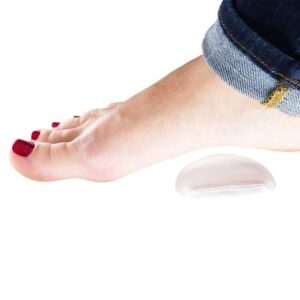 Rest the foot to relieve pain. Apply ice to reduce inflammation. Non-steroidal anti-inflammatory drugs (NSAIDs) may be effective in reducing pain and inflammation. Heel spur Choosing the right shoes is important in treatment. Soft-soled and supportive shoes should be preferred.
Additionally, using heel lifts or orthopedic insoles can help relieve pain by balancing the pressure on the foot. Exercises that strengthen the foot muscles and increase flexibility may be helpful in treatment. These can help prevent pain from returning.
If other treatments are not effective, cortisone injections may be given. This can reduce inflammation and relieve pain. It can be treated using high-energy sound waves. This treatment can speed up the healing process by reducing pain and inflammation.
If other treatment methods do not respond, surgery may be necessary. This is considered a last resort. Each treatment method is different for the person's age, health condition and heel spur It may vary depending on the severity. Therefore, it is important to consult a doctor before starting treatment.