

It is the displacement of the upper arm bone and the forearm bones. Elbow dislocation, It usually occurs due to a fall or sudden impact. The elbow shape is distorted. Pain increases when moved. Swelling and bruising are seen. Arm movements are restricted. Emergency intervention is required. The dislocation should be put back into place by a specialist physician. Physical therapy may be required after treatment.
What are the Symptoms of Elbow Dislocation?
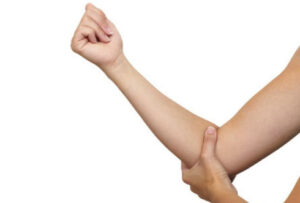 It usually causes sudden severe pain. This pain occurs when the bones of the joint that are waiting to be in normal alignment are displaced. The person usually begins to feel pain after trauma. Elbow dislocation, prevents the joint from moving. Bending or extending the hand and arm is difficult and very painful. This occurs when the elbow cannot perform its normal functions. Severe swelling may occur in the elbow due to dislocation. Swelling is caused by damage to the connective tissues and soft tissues. In addition, bruising may occur due to damage to the blood vessels. The elbow joint may be seen in a different position than normal.
The displacement of the bones causes a significant deformation in the joint. This causes the appearance of the elbow to change abnormally. During dislocation, muscle spasms may occur due to severe pain. The muscles tighten as a protective reaction. This can cause more pain around the joint. It can also cause nerve damage. In this case, numbness, tingling and loss of strength may be felt in the arm or hand. It can cause the arm to lose some of its functions. This causes the person to not be able to use their arm properly and their arm strength to decrease. Elbow dislocation, It can be cured with the right intervention in the early stages. If any of these symptoms are observed, a health professional should be consulted immediately.
What Causes Elbow Dislocation?
The most common cause is when a person falls onto a hard surface. Falling on the elbow in particular can cause the joint to dislocate. This type of trauma usually occurs during sports activities or as a result of an accident. Direct blows or violent impacts to the elbow can also cause dislocations. Such blows can strain the joint and cause the bones to separate from each other. Excessive bending or opening of the elbow can also cause dislocations. Especially sudden, forceful movements can cause the ligaments in the joint to stretch and the joint to shift. In situations where athletes are moving quickly, especially in contact sports, high-speed collisions to the elbow cause dislocations.
This can cause the alignment of the joint to be disrupted as a result of athletes’ bodies hitting each other. Some people may have more flexible ligaments at birth. This can cause their joints to move more than normal, increasing the risk of dislocation. Applying constant pressure to the elbow for a long time or overloading it can weaken the structures in the joint. This can lead to imbalance in the joint and dislocation. As we age, the ligaments in the joint can weaken and there can be changes in the bone structure. This can be a factor that increases the risk of elbow dislocation, especially in older individuals. These reasons are: elbow dislocation may be effective in the occurrence of cases. If a dislocation occurs, immediate medical attention is required.
What are the Treatment Methods for Elbow Dislocation?
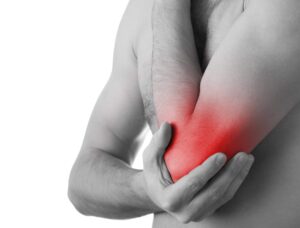 If a dislocation is suspected, the first thing to do is to immobilize the area. A dislocation usually needs to be treated immediately in a hospital. In the emergency room, the elbow is first placed in the correct position and immobilized. The process of putting the dislocated bones back into place is called “manual reduction.” A doctor tries to put the dislocated elbow joint back into place manually. This procedure is usually done under sedation or local anesthesia, because elbow dislocation is quite painful. Elbow dislocation After treatment, the elbow is usually cast or immobilized with a splint. This is necessary for proper healing of the joint. The cast provides the stability necessary for the bone to heal. In some cases, especially if the fracture is accompanied by a dislocation, surgery may be necessary. Surgery ensures that the bones are positioned and fixed correctly. It may also be necessary to repair the ligaments.
After treatment, it is important to have physical therapy throughout the recovery process. Physical therapy helps you regain joint mobility. The rehabilitation process is necessary to increase muscle strength and restore the function of the elbow joint. Pain management is also of great importance in treatment. Painkillers, anti-inflammatory drugs or muscle relaxants can be used to relieve the patient's pain. In addition, cold compress applications can also help reduce pain. Regular doctor check-ups are performed during the treatment process. During these check-ups, it is evaluated whether the dislocated area is healing and whether the bones are fusing correctly. If necessary, additional interventions are performed during the treatment process to support the healing process. Elbow dislocation Early intervention is very important in its treatment. If left untreated, it can lead to permanent joint damage or limited movement. Therefore, in the event of a dislocation, medical attention should be sought without delay.