

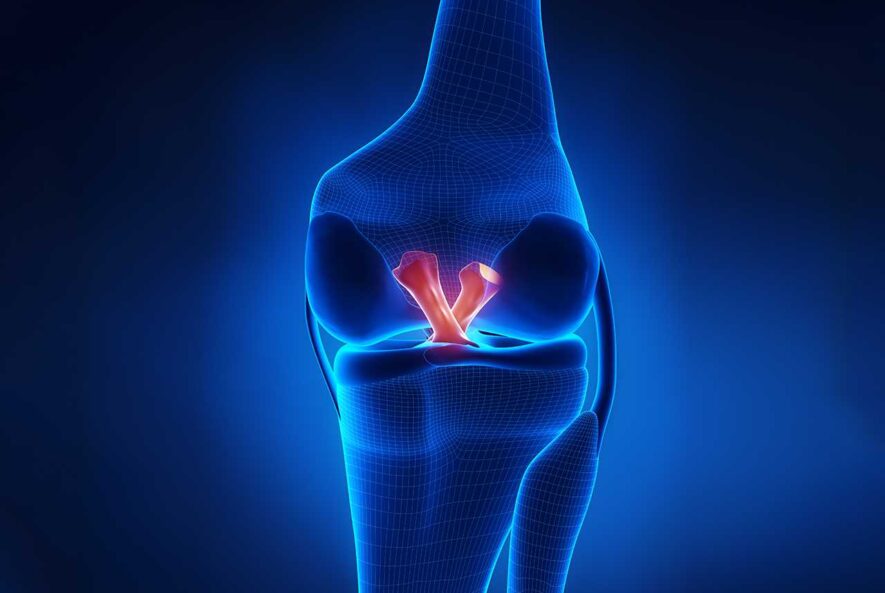
The anterior cruciate ligament (ACL) is an important structure that plays a critical role in the stability of the knee joint. It is one of the most common causes of sports injuries. anterior cruciate ligament tearcan be a serious injury for both professional athletes and active individuals in everyday life.
Causes of Anterior Cruciate Ligament Rupture
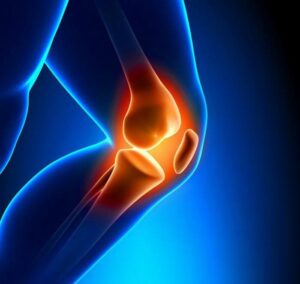 Quick turns or stops can strain the ACL. Landing incorrectly when jumping or leaping. A blow to the knee area from an opposing player in a contact sport, such as football or basketball. Moving the knee joint beyond its normal range of motion. Differences in strength between the muscles in the knee area make the ACL more vulnerable.
Anterior Cruciate Ligament Tear Symptoms
At the time of the injury, a distinct sound may be heard in the knee. A sharp pain is felt, making it difficult to move. In the first hours after the injury, a significant swelling occurs in the knee joint. There may be a loss of stability in the knee and a feeling of insecurity while walking. The ability to bend and straighten the knee may decrease.
Anterior Cruciate Ligament Tear Diagnosis Methods
The doctor evaluates the range of motion and stability of the knee. The Lachman test and the anterior pull test are clinical tests used to check ligament stability. Magnetic resonance imaging is the most effective imaging method to definitively show a ligament tear. It is used to evaluate the bone structure and check for a fracture.
Anterior Cruciate Ligament Tear Treatment Methods
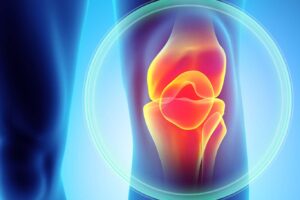 Anterior cruciate ligament tear treatment process may vary depending on the patient's age, activity level and severity of the injury. Physical therapy and rehabilitation may be applied for mild tears. Cold compresses are applied to reduce swelling and pain. It is used to support and stabilize the knee. Exercises are applied to restore muscle strength and increase mobility.
Surgery may be required for individuals who lead active lives or for complete tears. Arthroscopic reconstruction involves transplanting a new tendon to replace the ligament. Post-operatively, gradual rehabilitation is applied to help the patient regain muscle strength. The recovery period usually varies between 6-9 months.